
Last Updated: October 27, 2026
Quick Summary
Gaming apparel should suit the way you actually dress, not a rule about what a fan is supposed to wear. These seven styling ideas range from a small embroidered detail to a full graphic outfit. Treat them as options, not a ranking or a shopping list you need to complete.
Before buying, check the specific garment's measurements, materials, care instructions, total price, and return policy. A logo, fabric label, or printing method alone does not tell you how a particular item will fit or last.
At ikilzu Production, community membership does not depend on owning merchandise. Watching, chatting, and joining in at your own pace are enough.
1. The Graphic Tee With Everyday Basics
Start with a gaming shirt you genuinely like and pair it with clothes already in your wardrobe: jeans, plain trousers, shorts, or a skirt. A bold graphic can be the main visual element without requiring a matching outfit.
If you want the artwork to stand out, try simpler colors around it. If you enjoy mixing patterns, do that instead. Everyday clothing does not have to be subtle to be wearable.
Before ordering, compare the shirt's listed measurements with a shirt whose fit you already enjoy. Check whether the size chart describes the garment itself or body measurements.
2. The Small-Logo Look
A small chest logo, sleeve detail, or embroidered symbol can be a way to represent a creator without making the artwork the focus of the outfit. This is an option for anyone who likes restrained designs—not a rule for quiet viewers or casual fans.
Look closely at the product images. Consider the placement, thread or print color, and how visible you want the design to be. Do not assume a small logo means a garment is better made.
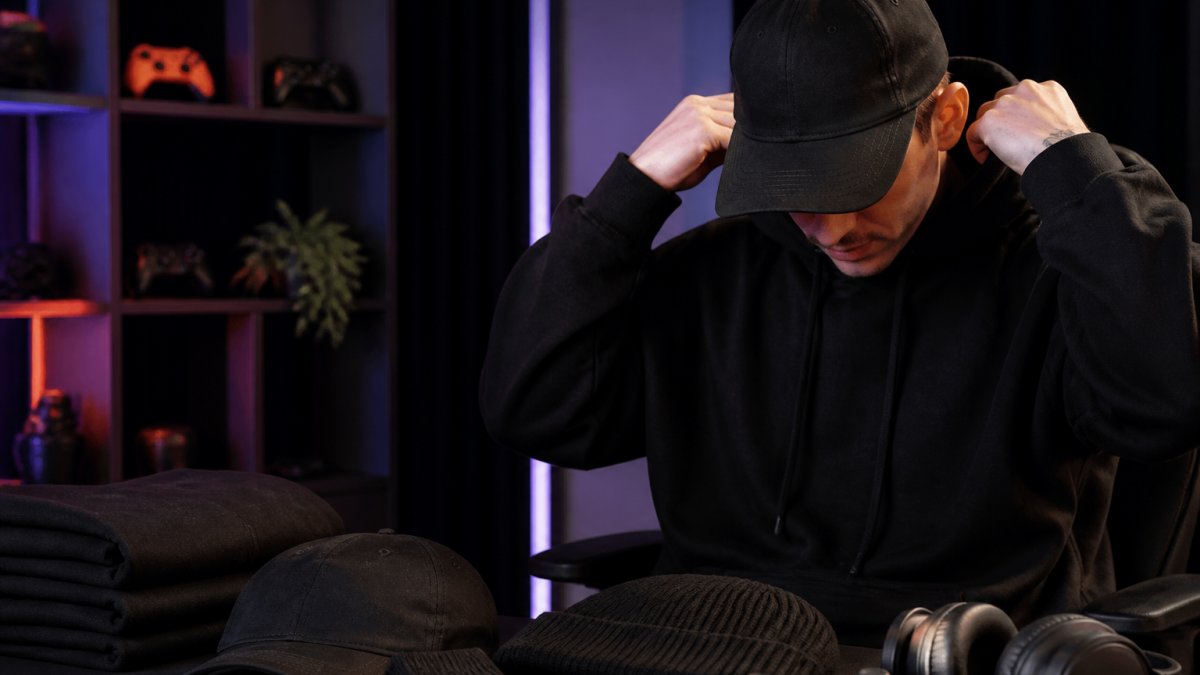
3. The Relaxed Hoodie Outfit
Try a hoodie with your preferred casual bottoms and shoes. Choose the fit you enjoy: close-fitting, relaxed, or oversized. There is no single correct hem length or silhouette.
Consider when you will wear it. For layering, compare its dimensions with the clothing you expect to wear underneath. For use around the house, think about sleeve length, hood bulk, and whether the pockets suit you.
Check the listed fabric and care instructions rather than assuming a heavier hoodie will always be more comfortable or more durable.
4. The Layered Overshirt or Jacket
Wear a gaming tee underneath an open overshirt, cardigan, or jacket. You can show part of a design while keeping familiar layers around it.
An outfit can start with clothing you already own; you do not need a new branded jacket to try the idea. Test the layers together before buying another piece, especially if a print sits where an open jacket would cover it.
5. The Retro-Inspired Outfit
Arcade-style artwork, pixel motifs, or a favorite older game's imagery can anchor a retro-inspired look. Pair the design with whichever shapes and colors appeal to you rather than trying to recreate an entire decade.
A distressed-looking print may be an intentional design choice, so distinguish the pictured effect from reviews describing actual damage. Check what the seller says you will receive rather than assuming a promotional image proves the finish or texture.
6. The Team or Community Look
A team jersey, creator shirt, or community hoodie can make an outfit feel personal. You might pair one statement piece with neutral basics, or wear a coordinated outfit if that is your preference.
Use the team's or creator's own verified shop links when looking for their official merchandise. Do not assume that a listing using a familiar name or logo is affiliated with them.
For ikilzu's community, start from the official shop. Check the current listing for available items and options; this article does not promise that every style discussed is sold there.
7. The Accessory-First Outfit
If you prefer not to change your usual clothing, try a cap, beanie, or another accessory with a design you enjoy. One small piece can be enough.
Check dimensions, adjustment options, materials, and any care requirements. If buying a gift, ask whether the recipient actually wears that type of accessory rather than choosing only by their favorite game.
How to Compare Products Without Guessing
Use the individual listing rather than a universal quality shortcut:
- Fit: compare measurements with something you own. A familiar size label is not enough on its own.
- Fabric: look at the composition and any weight or construction details provided. Think about your own preferences instead of treating all cotton or all blends as equivalent.
- Artwork: examine available close-ups and distinguish mockups from photographs of finished items. Ask the seller if an important detail is unclear.
- Printing or embroidery: check care guidance and product-specific feedback. Do not rank every garment's durability solely by the decoration method.
- Care: follow the instructions supplied with that item. Do not apply one shirt's washing instructions to every printed garment.
- Returns: read the actual seller's terms, including personalized or made-to-order exceptions and return postage.
- Budget: check the final total, including delivery, before buying.
Official branding is not a substitute for checking construction or returns. Independent artwork is not automatically better or worse. If a seller describes an item as licensed or creator-approved, look for confirmation from the relevant official shop or creator instead of relying on the listing's appearance.
Choosing a Gift
Ask about the recipient's preferred fit, colors, and designs if you can. Check any exchange conditions before buying clothing as a surprise, and do not assume a product can be returned simply because it is sold by a large shop or carries an official design.
The recipient's taste matters more than a label such as “retro fan,” “competitive player,” or “quiet viewer.” Someone who rarely chats might love a bright graphic; someone who plays competitively might prefer a plain hoodie.
Build Around What You Already Wear
You do not need seven new pieces to use these ideas. Try one outfit with what you have, notice what feels comfortable, and skip purchases that do not fit your budget or routine.
The FAQ below offers additional styling suggestions. Treat those as preferences rather than clothing rules: bold graphics can work in everyday outfits, and licensed status alone does not guarantee consistent quality or favorable return terms.
Frequently Asked Questions
What should I look for when choosing gaming apparel for fans?
Start with fit and fabric quality—look for breathable cotton or cotton blends that hold up to regular washing. Check print durability by reading reviews about how designs hold up over time. Consider whether the design matches your personal style so you'll actually wear it. Think about where you'll wear it: casual everyday wear calls for subtle designs, while graphic-heavy pieces work better for gaming events or community hangouts.
How can I wear gaming-themed clothes without looking like I'm in costume?
The key is balance. Pair a bold gaming graphic tee with neutral bottoms like dark jeans or chinos, then add a simple jacket or layer. For hoodies, keep the rest of your outfit minimal—plain jeans and simple shoes work well. Look for apparel with subtle logos or minimalist designs instead of huge graphics across the chest. Streetwear-inspired gaming pieces that blend gaming culture with modern fashion make it easier to wear gaming apparel as part of your regular rotation rather than as a statement piece.
Is officially licensed gaming apparel better than fan-made designs?
However, fan-made designs often feature more creative or niche artwork that you won't find in official collections. Licensed products support the creators and franchises you love, while fan-made pieces support independent artists. The best choice depends on what matters to you: consistent quality and official support, or unique art and supporting fan creators. Check reviews for either type to see how prints hold up after washing.
What are some subtle ways to show support for a favorite game or streamer?
Look for apparel with small logos, minimalist designs, or color-based themes rather than full-front graphics. Many gaming brands offer pieces with embroidered logos on the chest or sleeve that feel more like regular casual wear. Hoodies with subtle branding on the back or sleeve are great for everyday support. Hats, beanies, and accessories with small logos work too. These pieces let you rep your favorite games or creators without making it the focal point of your outfit—perfect if you prefer a quieter way to show you're part of the community.
Find Your Own Style
You are welcome in the community with or without merchandise. Visit ikilzu Production, watch ikilzu on Twitch, or explore the shop at your own pace.
